

Muslims celebrate Eid Al Adha as Hajj 2025 concludes in Makkah
Over 1.6 million attend pilgrimage despite permit restrictions and soaring heat
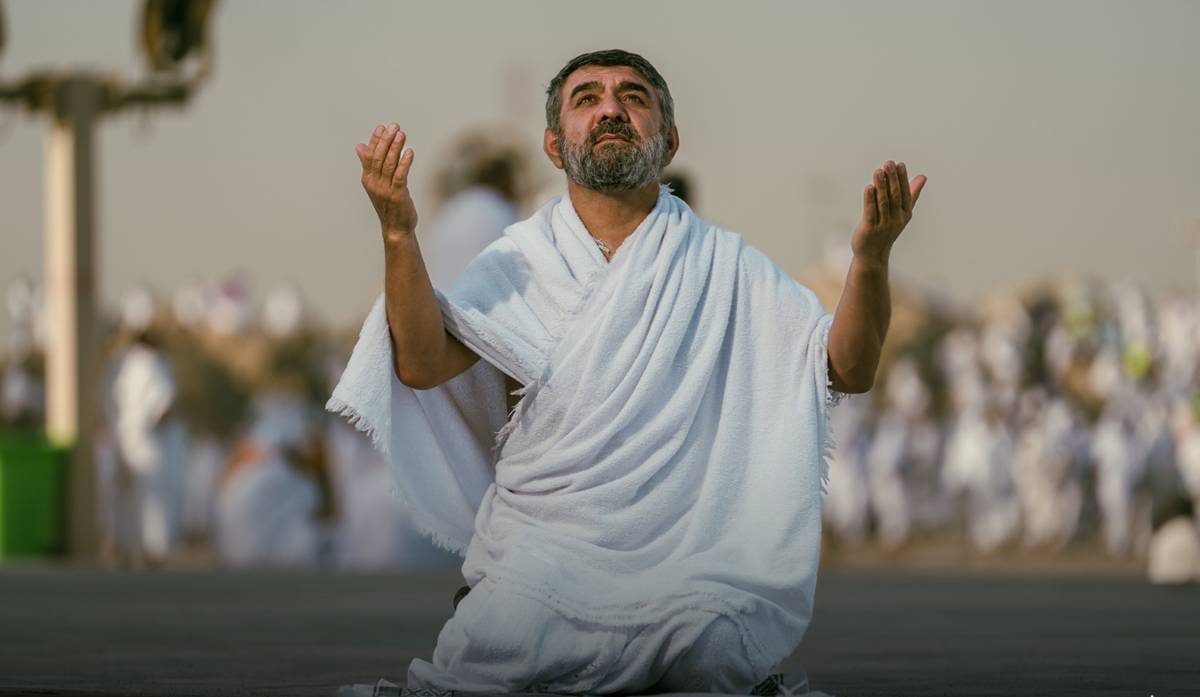
DUBAI: Millions of Muslims across the world are celebrating Eid Al Adha 2025, one of Islam’s most sacred festivals, coinciding with the conclusion of the annual Hajj pilgrimage in Saudi Arabia.
The Eid holiday began on Friday, 6 June, marked by morning prayers, festive gatherings, and the ritual sacrifice of animals in remembrance of Prophet Abraham’s unwavering devotion.
In Makkah, more than 1.6 million pilgrims performed the final major ritual of Hajj – the symbolic "stoning of the devil" – in Mina valley at dawn. Dressed in white garments, they hurled pebbles at three stone pillars to signify Abraham’s rejection of Satan. This rite followed the spiritual peak of Hajj, which occurred on Thursday on Mount Arafat, where worshippers stood in prayer and reflection.
Hajj 2025: How many attended?
According to Saudi Arabia’s General Authority for Statistics, the total number of Hajj pilgrims for 1446 AH reached 1,673,230. Of these, 1,506,576 pilgrims arrived from abroad through land, air, and sea entry points, while 166,654 were domestic pilgrims, comprising Saudi citizens and residents.
A breakdown of the data shows 877,841 male pilgrims and 795,389 female pilgrims completed the religious journey. The figures reflect a reduced attendance compared to earlier years, partly due to intensified controls on illegal pilgrimage attempts. Authorities cited efforts to enforce permit regulations strictly and to curb unauthorised access to the holy sites.
Crackdown on illegal pilgrimage
The clampdown on undocumented pilgrims stems from last year’s devastating outcome, when 1,301 people died during the 2024 Hajj due to heat-related causes. Most of the victims were unregistered individuals who lacked official accommodation or access to cooling services. Temperatures had soared to 51.8°C (125°F), prompting Saudi authorities to implement stronger safety protocols this year.
Measures included enhanced surveillance, expanded medical stations, improved water access, shaded areas, and heavy deployment of security forces around key ritual sites in Makkah, Mina, and Arafat. These efforts helped prevent overcrowding and reduced the risk of heatstroke and stampedes.
Illegal pilgrims, often motivated by the high costs of official Hajj packages, face arrest or deportation if caught. Hajj quotas are allocated country by country, and pilgrims must secure their places through a lottery system. Despite the risks, many still attempt to bypass regulations to fulfil their spiritual obligation.
Eid Al Adha
The start of Eid Al Adha is observed with large congregational prayers at mosques and open grounds, followed by the ritual slaughter of livestock – typically sheep, goats, cows, or camels. The meat is then distributed among family, friends, and the needy, in line with Islamic teachings on charity and community.
Eid Al Adha commemorates the willingness of Prophet Abraham to sacrifice his son in obedience to God, a story revered across Islamic tradition. The festival runs for four days and is marked by both religious devotion and social celebrations among Muslim communities worldwide.
The rites of Hajj, one of Islam’s five pillars, are a once-in-a-lifetime obligation for those who are physically and financially able. With the pilgrimage complete, many pilgrims are now beginning their journeys home, bringing with them memories of faith, sacrifice, and unity from the sacred cities of Makkah and Madinah.